 Brand sibling
Row CropPerformance profile
CaseIH Puma 165 X
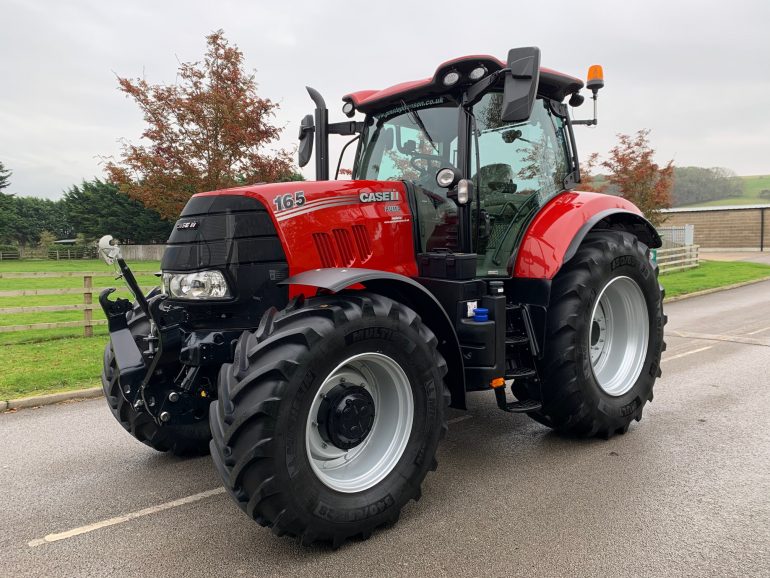
The CaseIH Puma 165 X is a powerful row crop tractor designed for serious farming. It features a 4x4 MFWD chassis with power steering, making it easy to handle in tough field conditions. The tractor is equipped with a 19-speed partial power shift transmission, offering 19 forward gears and 6 reverse gears for versatile operation. Under the hood, the Puma 165 X boasts a robust FPT engine. This 6-cylinder, 24-valve diesel engine is turbocharged and intercooled, providing strong performance. With a displacement of 410.6 cubic inches and a bore and stroke of 4.09 inches and 5.2 inches respectively, the engine delivers 165 horsepower at 2200 RPM. This power output is above average compared to other tractors in its class. The tractor comes with standard agricultural tires, a Category 3 rear hitch, and a pressure flow compensated hydraulic system. These features make the CaseIH Puma 165 X a reliable and efficient choice for farmers looking to tackle demanding row crop tasks.
ManufacturerCaseIHPower165 hpEngine6-cylTrans19-speed partial power shift
Quick specs
- Category
- Row Crop
- Engine Power Output
- 165hp
- Transmission
- 19-speed partial power shift
At a glance
How the Puma 165 X compares
vs. Row Crop medianDistribution
Engine Power (hp)
Across all Row Crop tractors
165 hp · 65th
This model
12
Median 138 hp
283
This modelRow Crop tractorsMediann = 1,206
The Puma 165 X ranks at the 65th percentile for engine power among recorded row crop tractors.
Overview
About the CaseIH Puma 165 X
The CaseIH Puma 165 X is a powerful row crop tractor designed for serious farming. It features a 4x4 MFWD chassis with power steering, making it easy to handle in tough field conditions. The tractor is equipped with a 19-speed partial power shift transmission, offering 19 forward gears and 6 reverse gears for versatile operation. Under the hood, the Puma 165 X boasts a robust FPT engine. This 6-cylinder, 24-valve diesel engine is turbocharged and intercooled, providing strong performance. With a displacement of 410.6 cubic inches and a bore and stroke of 4.09 inches and 5.2 inches respectively, the engine delivers 165 horsepower at 2200 RPM. This power output is above average compared to other tractors in its class. The tractor comes with standard agricultural tires, a Category 3 rear hitch, and a pressure flow compensated hydraulic system. These features make the CaseIH Puma 165 X a reliable and efficient choice for farmers looking to tackle demanding row crop tasks.
Full specifications
Every recorded spec
General
| Manufacturer | CaseIH |
|---|---|
| Model | Puma 165 X |
| Category | Row Crop tractor |
| Type | 4x4 MFWD 4WD |
Engine
| Make | FPT |
|---|---|
| Power | 165hp |
| Cylinders | 6 |
| Displacement | 410.6ci |
| Bore | 4.09in |
| Stroke | 5.2in |
Transmission
| Type | 19-speed partial power shift |
|---|---|
| Forward gears | 19 |
| Reverse gears | 6 |
Chassis & drive
| Chassis | 4x4 MFWD 4WD |
|---|---|
| Drive | 4WD |
| Steering | Power |
Hydraulics
| Type | Pressure flow compensated |
|---|
Head to head
Puma 165 X vs. Row Crop median
How the CaseIH Puma 165 X compares to other Row Crop tractors
| Spec | This model | Row Crop median | Difference | Percentile |
|---|---|---|---|---|
| Engine Power | 165 hp | 138 hp | +20% | 65th |
| Engine Displacement | 411 ci | 391 ci | +5% | 60th |
| Cylinders | 6 | 6 | at median | 50th |
| Forward Gears | 19 | 16 | +19% | 68th |
Medians and percentiles are computed from the row crop tractors in our database with a recorded value for each spec (sample sizes 1,200–1,417 models).
Compare to tractors with similar specs
Commonly compared CaseIH tractors
| Tractor | Engine Power | Operating Weight | Years | Compare |
|---|---|---|---|---|
| CaseIH Puma 165 | 165 hp | 17,725 lb | — | Compare → |
| CaseIH Puma 170 | 167 hp | 18,740 lb | — | Compare → |
| CaseIH 7130 | 170 hp | 16,280 lb | 1987–1993 | Compare → |
| CaseIH 7230 | 170 hp | 17,790 lb | 1994–1996 | Compare → |
| CaseIH Puma 160 | 160 hp | 16,360 lb | — | Compare → |
Commonly compared tractors with similar horsepower from other brands
| Tractor | Engine Power | Operating Weight | Years | Compare |
|---|---|---|---|---|
| Belarus 1507 | 165 hp | 20,283 lb | — | Compare → |
| Allis Chalmers HD16A | 163 hp | 31,500 lb | — | Compare → |
| AGCO RT155A | 162.5 hp | — | — | Compare → |
| Agrinar T-160 | 161 hp | 13,450 lb | — | Compare → |
| Allis Chalmers 8050 | 169 hp | 15,305 lb | 1982–1985 | Compare → |
Explore
CaseIH siblings


Explore
Similar-spec models


Gallery
CaseIH Puma 165 X photos


FAQ
Common questions
How powerful is the CaseIH Puma 165 X?
The CaseIH Puma 165 X has an engine power output of 165 hp. It is powered by a 6-cylinder engine displacing 410.6 ci.
What hitch category is the CaseIH Puma 165 X?
The CaseIH Puma 165 X uses a Category Category 3 hitch.
What type of transmission does the CaseIH Puma 165 X have?
The CaseIH Puma 165 X uses a 19-speed partial power shift transmission offering 19 forward gears.
What type of hydraulic system does the CaseIH Puma 165 X use?
Hydraulics on the CaseIH Puma 165 X are Pressure flow compensated.
What routine service does the CaseIH Puma 165 X need?
Regular maintenance for the CaseIH Puma 165 X includes checking and changing engine oil, hydraulic fluid, and filters, plus routine inspections as recommended in the owner's manual. Always follow the manufacturer's maintenance schedule for specific intervals and procedures.