 Brand sibling
Utility
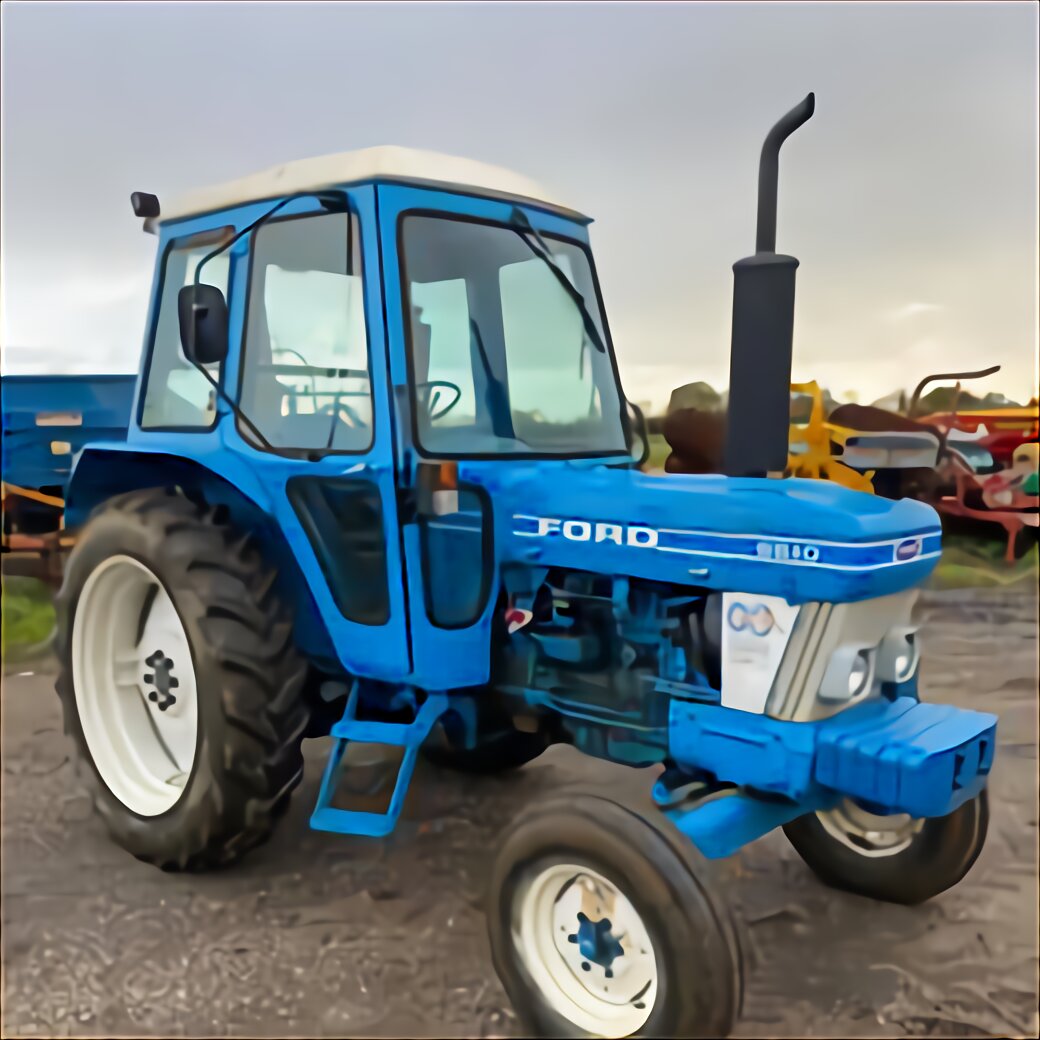
Ford 6610 Mark III
The Ford 6610 Mark III is a utility tractor built for hard work on the farm. It has a strong 4-cylinder diesel engine made by Ford. This engine is liquid-cooled and has a displacement of 268.1 ci, which is above average for tractors in its class. The engine runs at 2070 RPM, which is lower than most other tractors, helping it save fuel. This tractor is a 2WD model with power steering, making it easy to handle. It has a Dual Power transmission with 16 forward gears and 8 reverse gears, giving farmers lots of options for different jobs. The 6610 Mark III is big and sturdy, measuring 145.2 inches long and 110 inches tall. It weighs 7,280 lb, which is heavier than many other tractors like it. The tractor has a three-point hitch at the back, which can lift heavy tools. It also has an open center hydraulic system, which helps run attachments. For safety, it comes with a ROPS (Roll-Over Protection Structure) to protect the driver.
ManufacturerFordEngine4-cylTransDual Power
Quick specs
- Category
- Utility
- Operating Weight
- 7,280 lb
- Transmission
- Dual Power
Overview
About the Ford 6610 Mark III
The Ford 6610 Mark III is a utility tractor built for hard work on the farm. It has a strong 4-cylinder diesel engine made by Ford. This engine is liquid-cooled and has a displacement of 268.1 ci, which is above average for tractors in its class. The engine runs at 2070 RPM, which is lower than most other tractors, helping it save fuel. This tractor is a 2WD model with power steering, making it easy to handle. It has a Dual Power transmission with 16 forward gears and 8 reverse gears, giving farmers lots of options for different jobs. The 6610 Mark III is big and sturdy, measuring 145.2 inches long and 110 inches tall. It weighs 7,280 lb, which is heavier than many other tractors like it. The tractor has a three-point hitch at the back, which can lift heavy tools. It also has an open center hydraulic system, which helps run attachments. For safety, it comes with a ROPS (Roll-Over Protection Structure) to protect the driver.
Full specifications
Every recorded spec
General
| Manufacturer | Ford |
|---|---|
| Model | 6610 Mark III |
| Category | Utility tractor |
| Type | 4x2 2WD |
| Operating weight | 7,280lb |
Engine
| Make | Ford |
|---|---|
| Cylinders | 4 |
| Displacement | 268.1ci |
| Bore | 4.4in |
| Stroke | 4.4in |
Transmission
| Type | Dual Power |
|---|---|
| Forward gears | 16 |
| Reverse gears | 8 |
Chassis & drive
| Chassis | 4x2 2WD |
|---|---|
| Drive | 2WD |
| Steering | Power |
| Cab | ROPS |
Hydraulics
| Type | Open center with closed-center valves |
|---|
Dimensions
| Length | 145.2in |
|---|---|
| Height | 110in |
| Operating weight | 7,280lb |
Head to head
6610 Mark III vs. Utility median
How the Ford 6610 Mark III compares to other Utility tractors
| Spec | This model | Utility median | Difference | Percentile |
|---|---|---|---|---|
| Engine Displacement | 268 ci | 183 ci | +46% | 75th |
| Cylinders | 4 | 4 | at median | 50th |
| Forward Gears | 16 | 12 | +33% | 73rd |
| Operating Weight | 7,280 lb | 5,303 lb | +37% | 69th |
| Length | 145 in | 137 in | +6% | 61st |
| Height | 110 in | 94.1 in | +17% | 87th |
Medians and percentiles are computed from the utility tractors in our database with a recorded value for each spec (sample sizes 4,321–5,720 models).
Compare to tractors with similar specs
Commonly compared Ford tractors
Commonly compared tractors with similar horsepower from other brands
| Tractor | Engine Power | Operating Weight | Years | Compare |
|---|---|---|---|---|
| Advance-Rumely 6A | — | 6,370 lb | — | Compare → |
| Advance-Rumely DoAll | — | 3,702 lb | — | Compare → |
| Advance-Rumely OilPull B 25/45 | — | 25,000 lb | — | Compare → |
| Advance-Rumely OilPull E 30/60 | — | 26,300 lb | — | Compare → |
| Advance-Rumely OilPull F 15/30 | — | 16,500 lb | — | Compare → |
Explore
Ford siblings
Explore
Similar-spec models

Gallery
Ford 6610 Mark III photos


FAQ
Common questions
How many cylinders does the Ford 6610 Mark III have?
The Ford 6610 Mark III runs a 4-cylinder engine with a displacement of 268.1 ci.
What hitch category is the Ford 6610 Mark III?
The Ford 6610 Mark III uses a Category Category 3 hitch.
What is the working weight of the Ford 6610 Mark III?
The operating weight of the Ford 6610 Mark III is approximately 7,280 lb.
What type of transmission does the Ford 6610 Mark III have?
The Ford 6610 Mark III uses a Dual Power transmission offering 16 forward gears.
What type of hydraulic system does the Ford 6610 Mark III use?
Hydraulics on the Ford 6610 Mark III are Open center with closed-center valves.
What routine service does the Ford 6610 Mark III need?
Regular maintenance for the Ford 6610 Mark III includes checking and changing engine oil, hydraulic fluid, and filters, plus routine inspections as recommended in the owner's manual. Always follow the manufacturer's maintenance schedule for specific intervals and procedures.