 Brand sibling
UtilityPerformance profile
Massey Ferguson 425
The Massey Ferguson 425 is a utility tractor built from 2001 to 2010. It's a 2WD model with hydrostatic power steering, making it easy to control. The tractor has a synchromesh transmission with 12 forward gears and 4 reverse gears, giving drivers plenty of options for different tasks. Under the hood, the MF 425 has a Perkins A4.236 engine. This diesel engine has 4 cylinders and is liquid-cooled. It puts out 65 hp at 2200 rpm, which is above average power for its class. The engine size is also above average at 236 cubic inches. The tractor weighs 5710 lb, which is about average for similar models. It's 156.7 inches long and 101.6 inches tall, with big ag tires in the front and back for good traction in the field.
ManufacturerMassey FergusonPower65 hpEngine4-cylTransSynchromesh
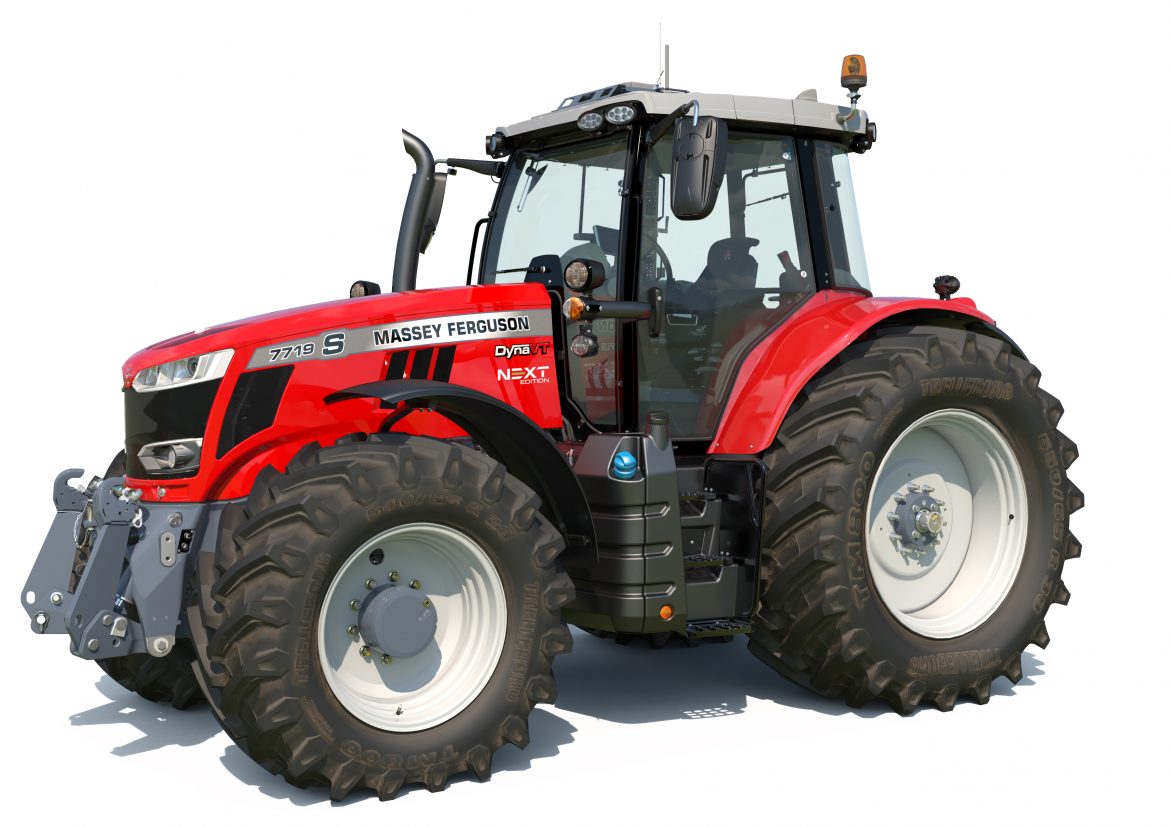
Quick specs
- Category
- Utility
- Engine Power Output
- 65hp
- Operating Weight
- 5,710 lb
- Transmission
- Synchromesh
At a glance
How the 425 compares
vs. Utility medianDistribution
Engine Power (hp)
Across all Utility tractors
65 hp · 59th
This model
9
Median 55 hp
177
This modelUtility tractorsMediann = 5,383
The 425 ranks at the 59th percentile for engine power among recorded utility tractors.
Overview
About the Massey Ferguson 425
The Massey Ferguson 425 is a utility tractor built from 2001 to 2010. It's a 2WD model with hydrostatic power steering, making it easy to control. The tractor has a synchromesh transmission with 12 forward gears and 4 reverse gears, giving drivers plenty of options for different tasks. Under the hood, the MF 425 has a Perkins A4.236 engine. This diesel engine has 4 cylinders and is liquid-cooled. It puts out 65 hp at 2200 rpm, which is above average power for its class. The engine size is also above average at 236 cubic inches. The tractor weighs 5710 lb, which is about average for similar models. It's 156.7 inches long and 101.6 inches tall, with big ag tires in the front and back for good traction in the field.
Full specifications
Every recorded spec
General
| Manufacturer | Massey Ferguson |
|---|---|
| Model | 425 |
| Category | Utility tractor |
| Type | 4x2 2WD |
| Years built | 2001–2010 |
| Operating weight | 5,710lb |
Engine
| Make | Perkins |
|---|---|
| Model | A4.236 |
| Power | 65hp |
| Cylinders | 4 |
| Displacement | 236ci |
| Bore | 3.88in |
| Stroke | 5in |
Transmission
| Type | Synchromesh |
|---|---|
| Forward gears | 12 |
| Reverse gears | 4 |
Chassis & drive
| Chassis | 4x2 2WD |
|---|---|
| Drive | 2WD |
| Steering | Hydrostatic power |
Dimensions
| Length | 156.7in |
|---|---|
| Height | 101.6in |
| Operating weight | 5,710lb |
Tires
| Front | 7.50-16 |
|---|---|
| Rear | 18.4-30 |
Head to head
425 vs. Utility median
How the Massey Ferguson 425 compares to other Utility tractors
| Spec | This model | Utility median | Difference | Percentile |
|---|---|---|---|---|
| Engine Power | 65 hp | 55 hp | +18% | 59th |
| Engine Displacement | 236 ci | 183 ci | +29% | 65th |
| Cylinders | 4 | 4 | at median | 50th |
| Forward Gears | 12 | 12 | at median | 50th |
| Operating Weight | 5,710 lb | 5,303 lb | +8% | 54th |
| Length | 157 in | 137 in | +15% | 73rd |
| Height | 102 in | 94.1 in | +8% | 69th |
Medians and percentiles are computed from the utility tractors in our database with a recorded value for each spec (sample sizes 4,321–5,720 models).
Compare to tractors with similar specs
Commonly compared Massey Ferguson tractors
| Tractor | Engine Power | Operating Weight | Years | Compare |
|---|---|---|---|---|
| Massey Ferguson 174 | 65 hp | 4,872 lb | — | Compare → |
| Massey Ferguson 174-4 | 65 hp | 5,490 lb | — | Compare → |
| Massey Ferguson 2606H | 65 hp | 5,115 lb | 2016+ | Compare → |
| Massey Ferguson 271 | 65 hp | 6,130 lb | 1998–2000 | Compare → |
| Massey Ferguson 4225 | 65 hp | 7,630 lb | 1997–2001 | Compare → |
Commonly compared tractors with similar horsepower from other brands
| Tractor | Engine Power | Operating Weight | Years | Compare |
|---|---|---|---|---|
| Belarus 500 | 65 hp | 6,100 lb | — | Compare → |
| Barreiros 70.7 | 64 hp | 5,450 lb | — | Compare → |
| Allis Chalmers 6060 | 63.21 hp | 6,465 lb | 1980–1984 | Compare → |
| Allis Chalmers D17 | 63 hp | 4,675 lb | 1957–1967 | Compare → |
| Barreiros 5500 | 67 hp | — | — | Compare → |
Explore
Massey Ferguson siblings

Explore
Similar-spec models


Gallery
Massey Ferguson 425 photos


FAQ
Common questions
What years was the Massey Ferguson 425 manufactured?
Production of the Massey Ferguson 425 ran from 2001 through 2010.
How powerful is the Massey Ferguson 425?
The Massey Ferguson 425 has an engine power output of 65 hp. It is powered by a 4-cylinder engine displacing 236 ci.
What is the working weight of the Massey Ferguson 425?
The operating weight of the Massey Ferguson 425 is approximately 5,710 lb.
What type of transmission does the Massey Ferguson 425 have?
The Massey Ferguson 425 uses a Synchromesh transmission offering 12 forward gears.
What are the factory tire sizes for the Massey Ferguson 425?
The Massey Ferguson 425 comes with 7.50-16 front tires and 18.4-30 rear tires.
What routine service does the Massey Ferguson 425 need?
Regular maintenance for the Massey Ferguson 425 includes checking and changing engine oil, hydraulic fluid, and filters, plus routine inspections as recommended in the owner's manual. Always follow the manufacturer's maintenance schedule for specific intervals and procedures.